
News Editor
What happened
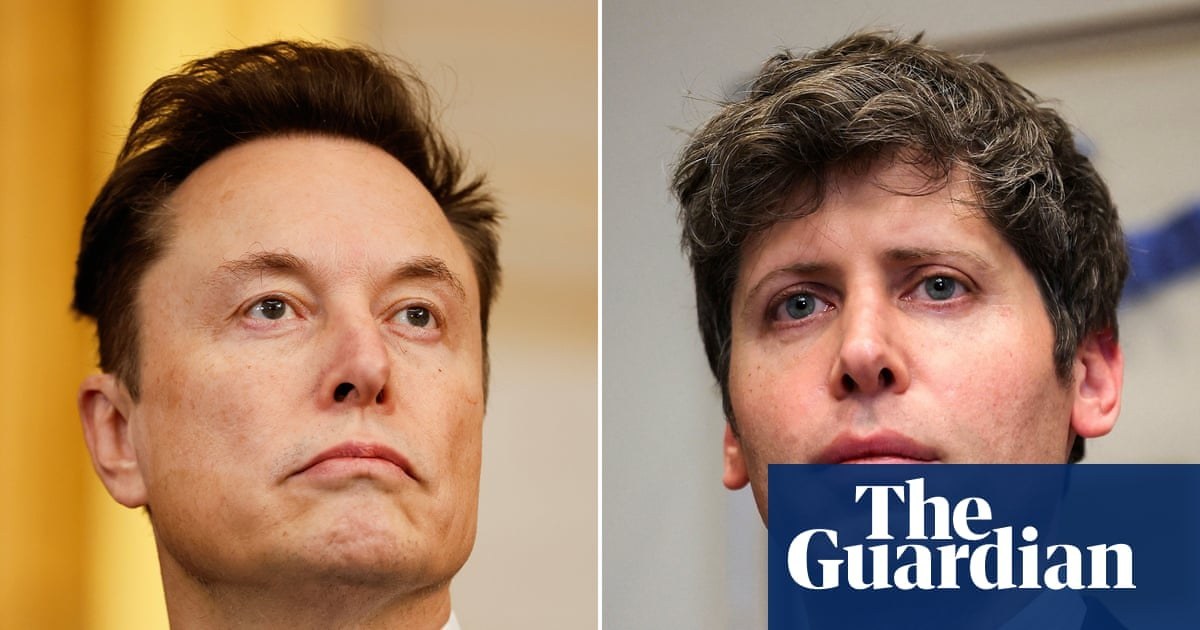
In a significant legal battle, a federal jury in Oakland, California, delivered a unanimous verdict in favor of Sam Altman and OpenAI against Elon Musk. The jury ruled that Musk’s lawsuit, which accused Altman of breaching a non-profit contract, was filed too late. Musk had claimed that Altman unjustly enriched himself by transitioning OpenAI to a for-profit model after Musk’s substantial early donation. The jury’s verdict was delivered after less than two hours of deliberation, allowing OpenAI to pursue its plans for a public offering without the burden of Musk’s claims.
Key figures
- Elon Musk – Plaintiff, accused Altman of breaching a contract.
- Sam Altman – CEO of OpenAI, defendant in the lawsuit.
- Greg Brockman – President of OpenAI, defendant in the lawsuit.
- Yvonne Gonzalez Rogers – Judge overseeing the case.
- William Savitt – Lead attorney for OpenAI.
The trial took place in Oakland, California, where a federal jury delivered a unanimous verdict in favor of Altman and OpenAI. This decision allows OpenAI to continue its plans for a public offering without the hindrance of Musk’s claims, which were deemed untimely. Musk’s accusations stemmed from his early donation of $38 million and his assertion that he was unaware of OpenAI’s transition to a for-profit model as early as 2017.
Numbers and reactions
The jury’s decision to dismiss Elon Musk’s lawsuit against OpenAI was based on the finding that his claims were filed outside the statute of limitations. This ruling allows OpenAI to move forward with its plans for a public offering, free from the legal challenges posed by Musk’s allegations of contract breaches regarding the organization’s shift to a for-profit model.
Judge Yvonne Gonzalez Rogers remarked on the substantial evidence supporting the jury’s verdict, which took less than two hours to reach. OpenAI’s lead attorney, William Savitt, emphasized that the jury identified Musk’s claims as “stories, not facts,” framing the lawsuit as a hypocritical attempt to undermine a competitor. In response, Musk announced plans to appeal, arguing that the ruling sets a dangerous precedent for charitable organizations in America.
Procedural next steps
Following the jury’s unanimous verdict delivered on May 18, 2026, Elon Musk has announced plans to appeal the decision with the Ninth Circuit. Musk’s lawsuit accused Sam Altman of breaching a non-profit contract by transitioning OpenAI to a for-profit entity. The jury found Musk’s claims untimely, allowing OpenAI to move forward with its public offering plans without the encumbrance of legal disputes.
OpenAI’s lead attorney characterized Musk’s case as a ‘hypocritical attempt to sabotage a competitor,’ indicating that the outcome may discourage similar lawsuits against tech companies regarding their corporate structures. The verdict positions OpenAI to focus on its mission free from the legal distractions posed by Musk’s claims.

Morgan Langley is a dedicated Tech Correspondent at UK News, where she reports on the latest developments in technology and its impact on society. With a focus on artificial intelligence, startups, and major tech players like Apple, Google, and Microsoft, Morgan provides insightful analysis and commentary that helps readers navigate the rapidly evolving tech landscape.Before joining UK News, Morgan gained valuable experience working with various tech publications, where she honed her skills in reporting and analysis. Her background includes a degree in Computer Science from the University of Edinburgh, where she developed a solid foundation in technology and its applications.Based in London, Morgan enjoys exploring the intersection of technology and daily life, often attending tech meetups and engaging with local startups. In her free time, she is an avid reader of science fiction and enjoys hiking in the nearby countryside.
"I believe that journalism should illuminate the complexities of technology while making it accessible to everyone. It is crucial to inform the public about how these advancements shape our world."