
News Editor
What happened
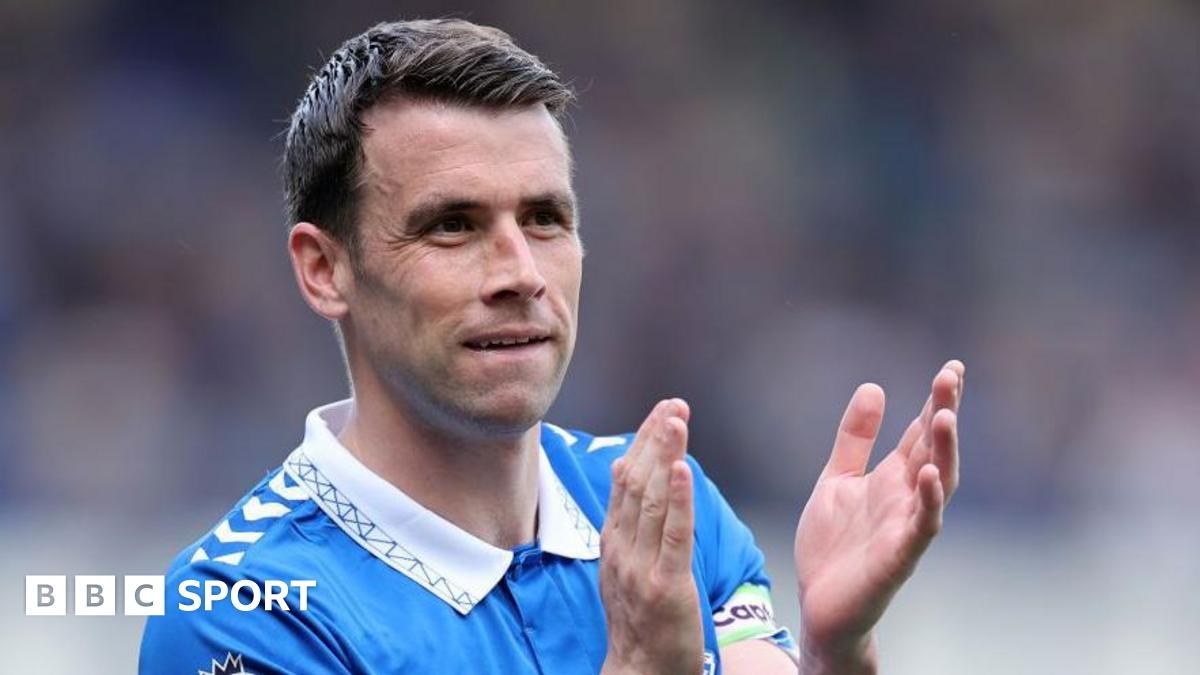
Seamus Coleman, the captain of Everton, has officially announced that he will end his playing career at the club after 17 years, with his contract set to expire at the end of the current season. The 37-year-old right-back joined Everton from Sligo Rovers in January 2009 for a transfer fee of £60,000. Over the years, Coleman has become a key figure at Everton, both on and off the pitch, and he holds the record for the most Premier League appearances for the club, totaling 372.
Coleman’s journey with Everton has been remarkable, culminating in a leadership role that began in 2019 when he was named club captain. His contributions to the team are significant, as he has made a total of 433 appearances for Everton in all competitions and has captained the team 140 times. Despite facing injury challenges in recent seasons, Coleman has maintained his status as a respected leader within the squad.
In a statement regarding his retirement, Coleman expressed his gratitude to the fans, acknowledging their support throughout his career. He mentioned, “After more than 17 years at this great football club, I’ve decided this season will be my last as a player here.” Following his playing career, he has been offered a coaching role at Everton but is also considering his future options, including the possibility of continuing to play elsewhere.
Why it matters
Seamus Coleman’s announcement to retire marks the end of an era for Everton Football Club. Having played for the club for 17 years, Coleman has not only made significant contributions on the pitch but has also become a beloved figure among fans. His record of 372 Premier League appearances for Everton solidifies his status as a club legend, showcasing his longevity and commitment to the team.
As captain since 2019, Coleman has led the team 140 times, demonstrating leadership qualities that have inspired his teammates and the fanbase alike. His farewell message to supporters highlighted the deep bond he shares with them, stating, “I want to thank the fans for their unbelievable support. You’ve helped me in more ways than you could imagine.” This sentiment reflects the mutual respect between Coleman and the Everton community.
With his departure, Everton faces the challenge of filling the significant void left by Coleman, particularly in the right-back position. His experience and skill will be difficult to replace, and the club may need to embark on a search for a new player to maintain their competitive edge. This transition could also affect team dynamics, as players adapt to a new leader and playing style.
Despite his retirement from playing, Coleman has been offered a coaching role at Everton, indicating that he may remain a part of the club’s future in a different capacity. His continued involvement in the game could provide valuable mentorship to younger players, ensuring that his legacy at Everton endures even after he hangs up his boots.
| Description | Value |
|---|---|
| Coleman’s Premier League appearances for Everton | 372 |
| Total appearances for Everton in all competitions | 433 |
| Times Coleman has captained Everton | 140 |
| Transfer fee paid by Everton to Sligo Rovers for Coleman | £60,000 |
What’s next
Q: What will Seamus Coleman do after leaving Everton?
A: Seamus Coleman has been offered a coaching role at Everton following his retirement, but he is also considering other options, including the possibility of continuing to play elsewhere.
Q: How many appearances has Seamus Coleman made for Everton?
A: Coleman has made a total of 433 appearances for Everton in all competitions, including 372 in the Premier League, where he holds the club record for the most appearances.
Q: When did Seamus Coleman join Everton?
A: Coleman joined Everton from Sligo Rovers in January 2009 for a transfer fee of £60,000. He has been a pivotal figure at the club ever since.
As Coleman prepares to conclude his playing career at the end of the current season, he reflects on his time at the club and the support from fans. He expressed gratitude for their backing throughout his 17 years at Everton, highlighting the emotional connection he has developed with the club and its supporters.

Jordan Whitaker is the News Editor at UK News, where he brings a wealth of knowledge and experience to the editorial team. With a strong focus on breaking news, politics, and government policy, Jordan is dedicated to delivering timely and accurate information to the public. He also covers election-related topics, ensuring that voters are well-informed about the issues that matter most.Before joining UK News, Jordan worked for several prominent news organizations, where he honed his skills in investigative journalism and reporting on court cases and crime. His background includes a degree in Politics from the University of Manchester, which has provided him with a solid foundation for understanding the complexities of the UK political landscape.Based in Manchester, Jordan enjoys exploring the city's rich cultural heritage and spending time with his family. In his free time, he enjoys reading historical novels and engaging with local community events, which further enrich his understanding of the stories he covers.
"Journalism is about seeking the truth and providing clarity in a world filled with noise. It is my responsibility to ensure that our coverage remains informative and accessible to all."